Physical Address
304 North Cardinal St.
Dorchester Center, MA 02124
Physical Address
304 North Cardinal St.
Dorchester Center, MA 02124

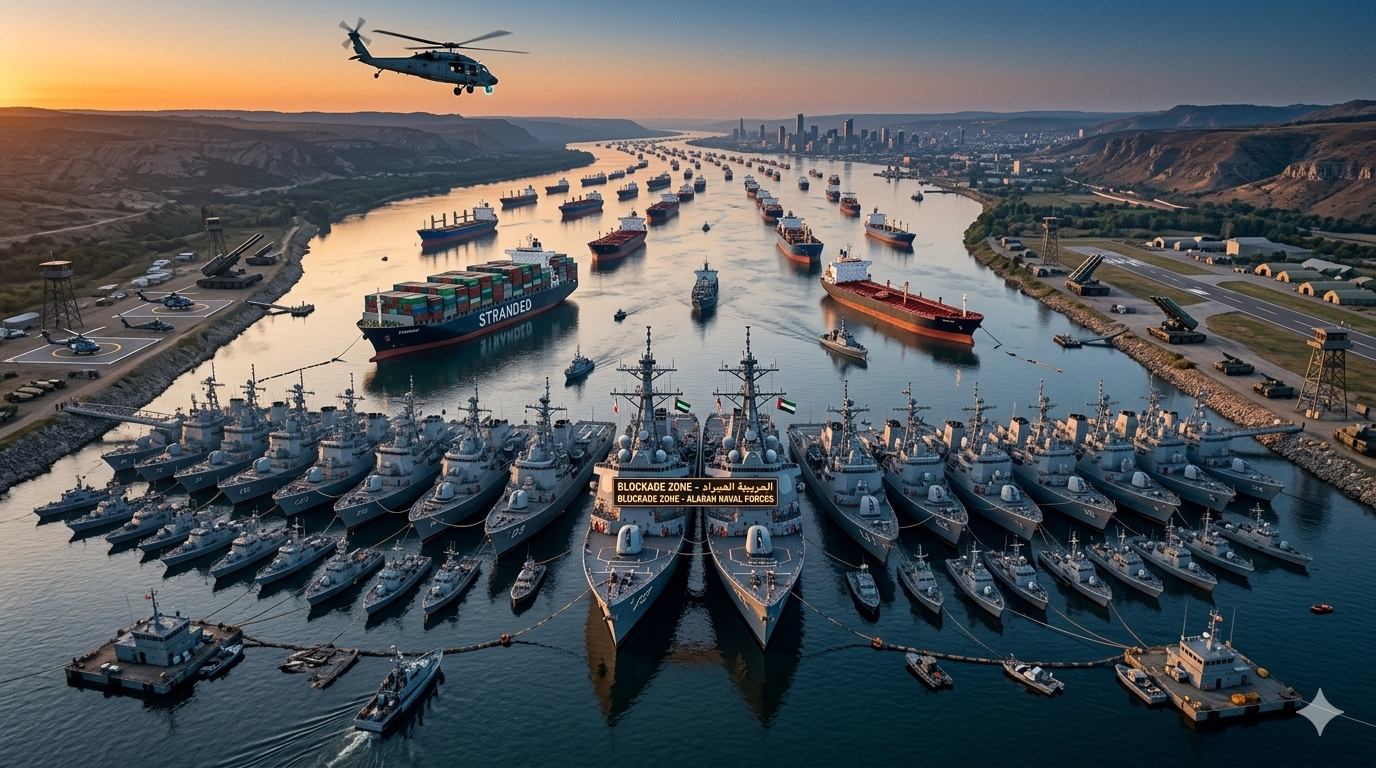
Global headlines are once again focused on the narrow waterway known as the Strait of Hormuz. Rising tensions between Iran, United States, and Israel have pushed this critical shipping route into the center of international attention.
News reports, political statements, and social media discussions are asking the same question: Is Iran actually closing the Strait of Hormuz? If that happens, the consequences could affect oil prices, global trade, and even everyday fuel costs across the world.
This blog explores what is really happening, why this narrow passage matters so much, and what the future might hold if tensions continue to rise.
The Strait of Hormuz is one of the most important maritime routes on the planet. It sits between Iran and Oman and connects the Persian Gulf to the Gulf of Oman and the Arabian Sea.
Although the strait is only about 21 miles (34 km) wide at its narrowest point, it carries a huge portion of the world’s energy supply.
Every day, massive oil tankers travel through this route carrying crude oil and natural gas from Gulf countries such as:
Experts estimate that about 20–25% of the world’s oil supply passes through this single waterway. That means any disruption here can affect global markets almost immediately.
This is why the Strait of Hormuz is often described as the most critical oil chokepoint in the world.
The current tensions began escalating after a series of military confrontations involving Iran, United States, and Israel.
Airstrikes, cyber operations, and military threats have increased pressure across the Middle East. The conflict expanded when strategic locations connected to oil exports became potential targets.
One key location that has drawn attention is Kharg Island. This island is extremely important for Iran because it handles a large portion of the country’s oil exports.
As tensions grew, Iranian officials warned that they could restrict or control access to the Strait of Hormuz if military attacks continued.
These warnings quickly triggered concern across the world because of how vital the waterway is for energy transportation.
Despite dramatic headlines, the Strait of Hormuz has not been fully closed.
However, the situation is more complicated than a simple yes or no.
Iran has indicated that:
Reports suggest that Iran has signaled the strait may remain open to neutral countries, while warning its adversaries.
This creates uncertainty for shipping companies. Even if the route is technically open, many shipping firms become cautious because the risk of conflict or attack increases.
As a result, some oil tankers are delaying or rerouting shipments, which can already influence oil prices.
The United States has long maintained a military presence in the region to ensure freedom of navigation through the strait.
One of the key bases supporting operations is in Bahrain, where the U.S. Navy’s Fifth Fleet is headquartered.
Washington has urged allies to cooperate in protecting shipping lanes. Potential partners include:
The goal is to create a coordinated naval presence that deters attacks on commercial vessels.
However, increasing military activity in the area also raises the risk of miscalculation. A single incident involving ships or drones could quickly escalate the situation.
If the Strait of Hormuz were completely blocked, the consequences could spread across the global economy.
Because so much oil travels through the strait, a blockade could instantly disrupt global supply.
Oil prices could jump dramatically within days, affecting everything from transportation to manufacturing.
Many shipping routes rely on this waterway. If tankers cannot pass safely, companies may need to reroute shipments through longer and more expensive paths.
That increases both shipping time and transportation costs.
Countries that rely heavily on Middle Eastern oil imports could face serious problems.
Major importers include:
Any supply disruption could impact energy security and economic stability.
In theory, Iran has the geographic advantage because it controls the northern side of the waterway.
Military analysts believe Iran could temporarily disrupt shipping using:
However, closing the strait completely would be extremely difficult.
A coalition of international naval forces could likely reopen the route, although doing so might involve military confrontation.
That is why many experts believe Iran uses the threat of closure as a strategic warning rather than a permanent plan.
Energy markets are extremely sensitive to geopolitical risk.
Even the possibility of disruption in the Strait of Hormuz can trigger immediate changes in oil prices.
Traders watch several indicators:
If tensions rise, investors often push oil prices upward because they anticipate future supply shortages.
While the conflict may seem distant, the economic impact could reach consumers worldwide.
Higher oil prices can lead to:
Because transportation is a major part of the global economy, energy disruptions eventually influence many industries.
Diplomatic efforts are always part of crises involving major powers.
International organizations and regional governments may attempt to mediate discussions between involved countries.
Possible outcomes include:
However, geopolitical rivalries and strategic interests make quick solutions difficult.
The Strait of Hormuz is the main route for oil exports from Gulf countries. Around one-fifth of the world’s oil supply travels through this narrow waterway, making it a key global energy corridor.
No, the strait has not been fully closed. However, tensions and military threats have increased uncertainty, which is causing shipping companies to be cautious.
Major importers include China, India, Japan, and South Korea. These countries rely heavily on Middle Eastern energy supplies.
The United States and its allies maintain strong naval forces in the region. If the route were blocked, they would likely attempt to secure shipping lanes.
Oil prices could rise quickly because global supply would be disrupted. Even small disruptions in this route can push prices higher.
For Iran, the threat serves as a strategic warning. Because the strait is so important to global trade, controlling it gives Iran significant geopolitical leverage.
While it is possible, many governments prefer to avoid full-scale conflict because it would disrupt global trade and energy markets.
The Strait of Hormuz remains one of the most strategically important locations in the world. Whenever tensions rise in the Middle East, global attention quickly turns to this narrow passage.
While the strait has not been closed, the ongoing standoff involving Iran, United States, and Israel continues to create uncertainty.
For now, global markets, governments, and shipping companies are watching closely. The future of this critical waterway could influence energy prices, international trade, and geopolitical stability for years to come.


