Physical Address
304 North Cardinal St.
Dorchester Center, MA 02124
Physical Address
304 North Cardinal St.
Dorchester Center, MA 02124

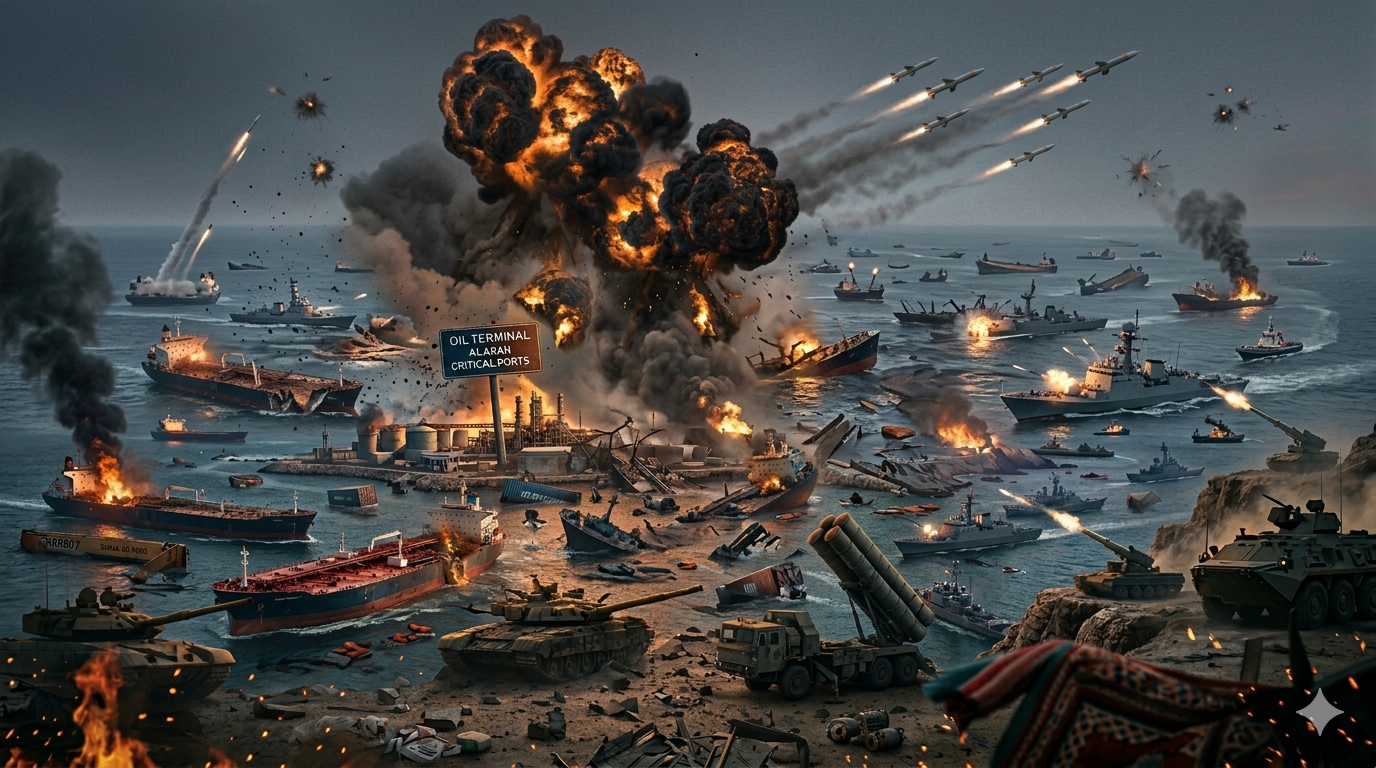
The Strait of Hormuz is one of the most strategically important waterways in the world. Located between Iran and Oman, this narrow passage connects the Persian Gulf to the Gulf of Oman and ultimately the Arabian Sea. Despite being only about 33 kilometers wide at its narrowest point, it plays a massive role in global trade and energy supply.
Every day, millions of barrels of oil pass through the Strait of Hormuz, making it one of the most critical chokepoints for global energy transportation. Many of the world’s largest oil-producing countries—including Saudi Arabia, Iraq, Kuwait, and the United Arab Emirates—depend on this route to export crude oil to markets in Asia, Europe, and North America. Because of this, any instability in the region can immediately impact global oil prices and international trade.
The Strait of Hormuz carries roughly one-fifth of the world’s total petroleum consumption. Tankers transporting oil and liquefied natural gas must pass through this narrow channel to reach global markets. Countries such as China, India, Japan, South Korea, and many European nations rely heavily on energy shipments that travel through this route.
Because of its strategic value, the strait has long been at the center of geopolitical tensions. The presence of military forces from countries like the United States and regional powers has increased over the years to ensure that shipping lanes remain open and secure.
When tensions rise between major powers in the Middle East, concerns about the safety of the Strait of Hormuz quickly follow. Even small disruptions—such as military exercises, drone incidents, or attacks on commercial vessels—can cause oil markets to react instantly.
One of the key reasons the Strait of Hormuz is so sensitive geopolitically is its proximity to Iran. The northern coastline of the strait is controlled largely by Iran, giving Tehran significant strategic influence over this passage.
During periods of conflict or political pressure, Iranian leaders have occasionally warned that they could restrict shipping traffic through the strait. While completely closing the Strait of Hormuz would be extremely difficult due to international naval presence, even the threat of disruption can affect global markets and raise security concerns.
This strategic leverage has made the strait a major factor in diplomatic negotiations, sanctions discussions, and military planning involving Iran and Western powers.
Because of the economic importance of the Strait of Hormuz, several international naval forces operate in the region to maintain maritime security. The United States Navy, along with allied forces from Europe and regional partners, regularly patrols the waters to ensure safe passage for commercial vessels.
These patrols are designed to prevent piracy, protect oil tankers, and respond quickly to any potential threats. However, the presence of multiple military forces in such a narrow waterway also increases the risk of miscalculations or accidental confrontations.
Over the past decade, there have been multiple incidents involving seized vessels, drone surveillance, and close encounters between naval ships. Each event highlights how fragile stability can be in such a critical location.
The economic consequences of instability in the Strait of Hormuz can be immediate and widespread. If shipping traffic slows or stops, oil prices can rise dramatically within hours. This affects not only fuel costs but also transportation, manufacturing, and global supply chains.
Higher energy prices can lead to inflation, increased shipping costs, and slower economic growth worldwide. For countries heavily dependent on imported energy, disruptions in the strait could create serious economic challenges.
Because of this, international governments and energy companies closely monitor developments in the region. Even rumors of potential conflict or naval activity near the Strait of Hormuz often cause fluctuations in global markets.
While discussions about closing the Strait of Hormuz frequently appear during geopolitical tensions, most experts believe a complete shutdown would be unlikely. The international naval presence in the region and the economic consequences for Iran itself make a long-term closure difficult to sustain.
However, temporary disruptions—such as attacks on tankers, naval standoffs, or military escalations—remain possible. Even short-term incidents could significantly impact global energy supplies and international trade.
The Strait of Hormuz is far more than just a shipping route. It represents a strategic intersection of global energy supply, military power, and geopolitical rivalry. Any developments in this region are closely watched by governments, investors, and international organizations around the world.
As tensions in the Middle East continue to evolve, the security and stability of the Strait of Hormuz will remain one of the most important factors shaping global economic and political dynamics.
You have not enough Humanizer words left. Upgrade your Surfer plan.
1. Where is the Strait of Hormuz located?
The Strait of Hormuz is located between Iran and Oman. It connects the Persian Gulf with the Gulf of Oman and serves as a key shipping route for global oil trade.
2. Why is the Strait of Hormuz so important?
The Strait of Hormuz is one of the world’s most important oil transit routes. A large portion of global oil exports passes through this narrow channel, making it critical for international energy supply and global trade.
3. Which countries depend on the Strait of Hormuz for oil transport?
Many major oil-producing countries such as Saudi Arabia, Iraq, Kuwait, and the United Arab Emirates use the Strait of Hormuz to export oil to global markets.
4. Can Iran close the Strait of Hormuz?
Because Iran controls part of the northern coastline of the Strait of Hormuz, it has strategic influence in the area. However, a complete closure would be difficult due to the presence of international naval forces, including the United States and its allies.
5. How would closing the Strait of Hormuz affect the world?
If the Strait of Hormuz were blocked or disrupted, global oil supplies could decrease rapidly. This would likely cause higher fuel prices, supply chain disruptions, and economic instability worldwide.
6. How wide is the Strait of Hormuz?
At its narrowest point, the Strait of Hormuz is about 33 kilometers (21 miles) wide, but the shipping lanes used by tankers are much narrower, which increases its strategic vulnerability.
7. Why is the Strait of Hormuz often mentioned during Middle East conflicts?
Because it is such an important global energy route, any military or political tension in the region—including conflicts involving Iran, United States, or regional powers—raises concerns about disruptions to the Strait of Hormuz and global oil supply.


